01
Robotic & automated systems
Design, prototyping, and experimental development of autonomous and remotely operated platforms, including unmanned surface, ground, and underwater vehicles.
Robotics & Automated Systems Laboratory
Research, development, and experimental validation of robotic and automated systems for real-world applications.
The Robotics & Automated Systems Laboratory (RAS Lab) is based at Frederick University, with much of its research and development carried out through Frederick Research Center (FRC). The laboratory works on intelligent robotic systems, with particular expertise in mobile and marine robotics.
Our work connects sensing, control, navigation, software, and system integration. From research prototypes to field trials, we provide students and researchers with opportunities to develop and evaluate practical robotic technologies.
Get to know the lab ↗Cross-disciplinary capabilities, applied across autonomous platforms and intelligent systems.
Design, prototyping, and experimental development of autonomous and remotely operated platforms, including unmanned surface, ground, and underwater vehicles.
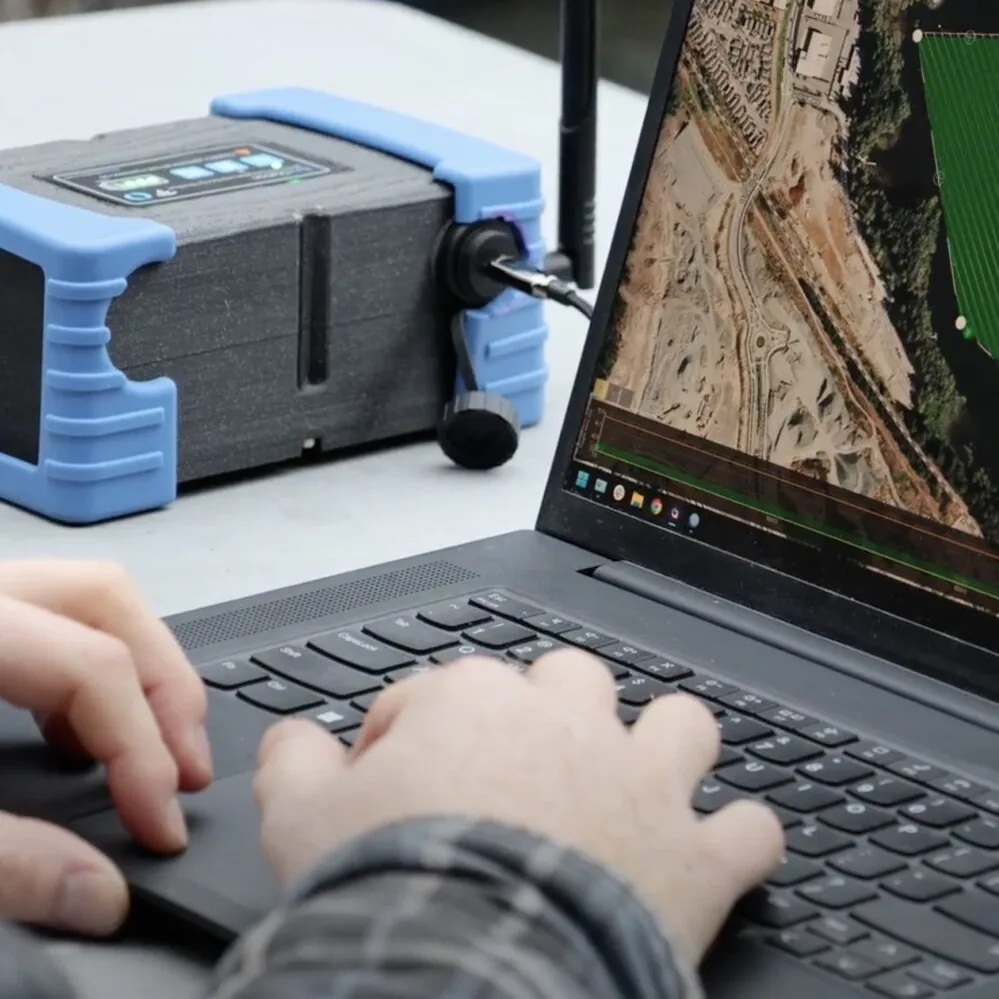
Localization, motion control, path planning, obstacle avoidance, and autonomous navigation in complex and uncertain environments.
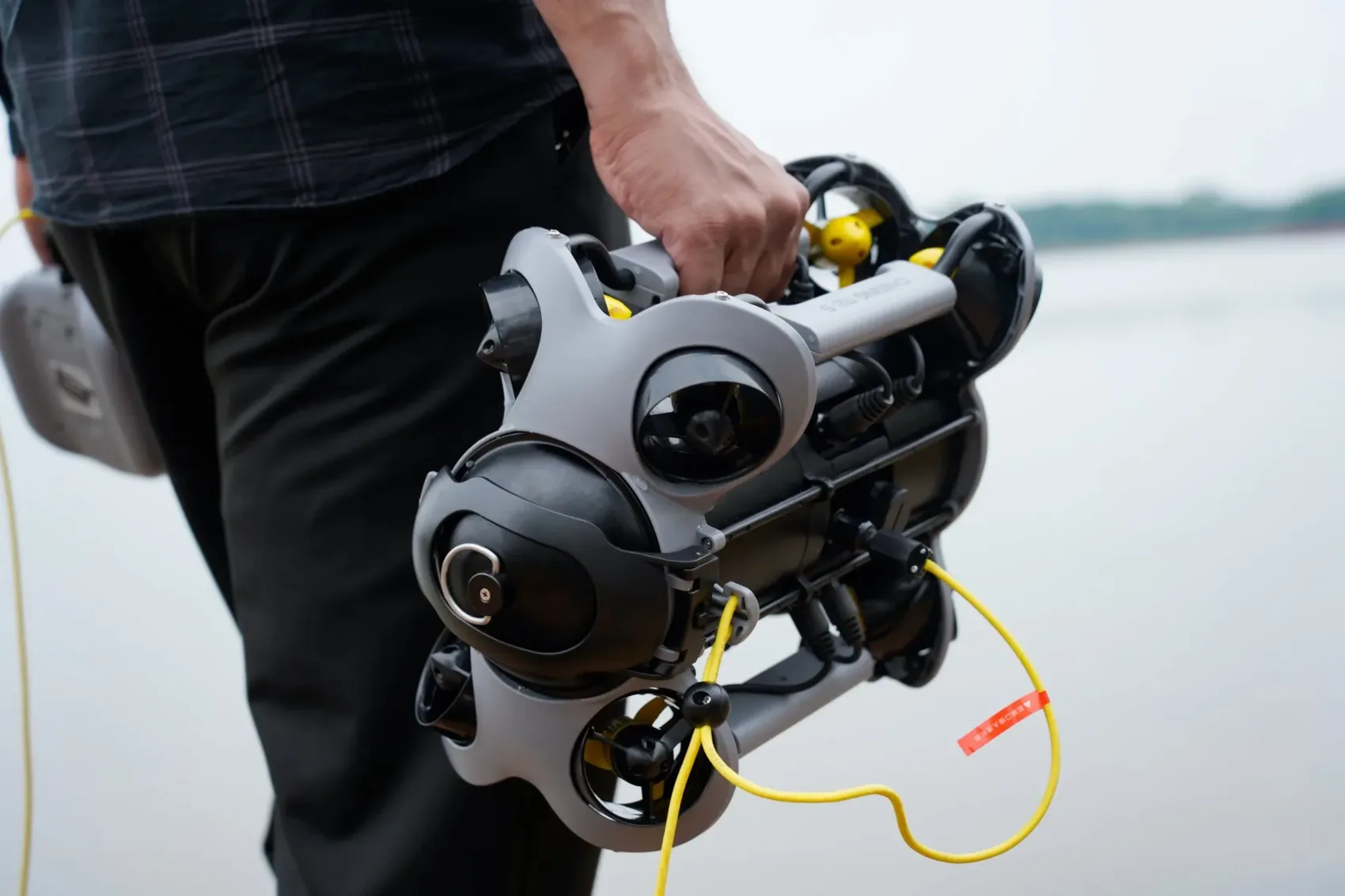
Integration of cameras, LiDAR, radar, inertial sensors, and other sensing technologies for environmental awareness and robotic decision-making.
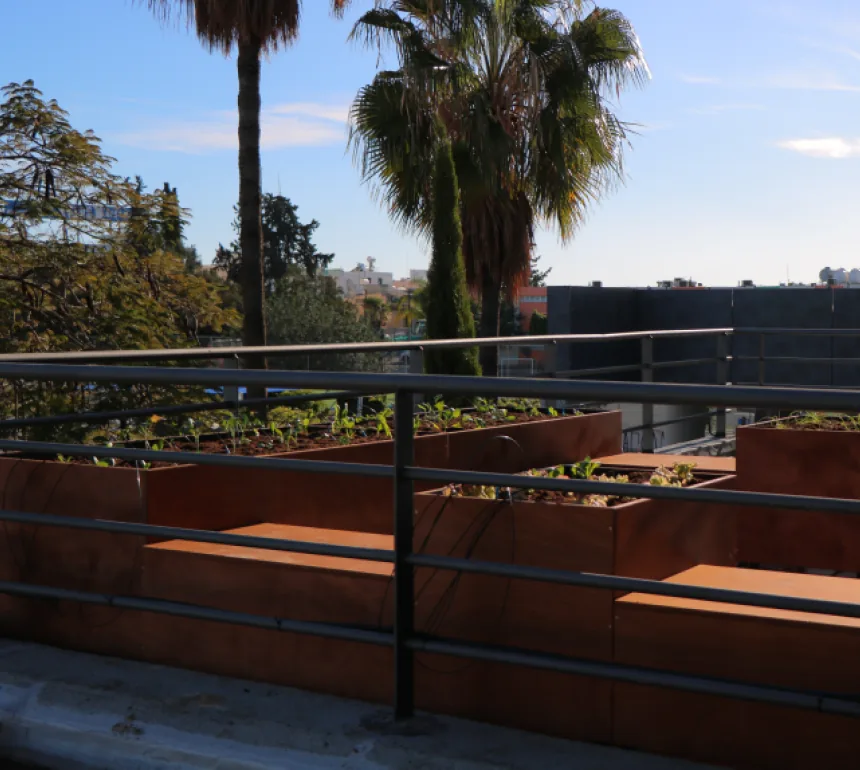
Computer vision, object detection, intelligent monitoring, and AI-based analysis of sensor information for real-world applications.
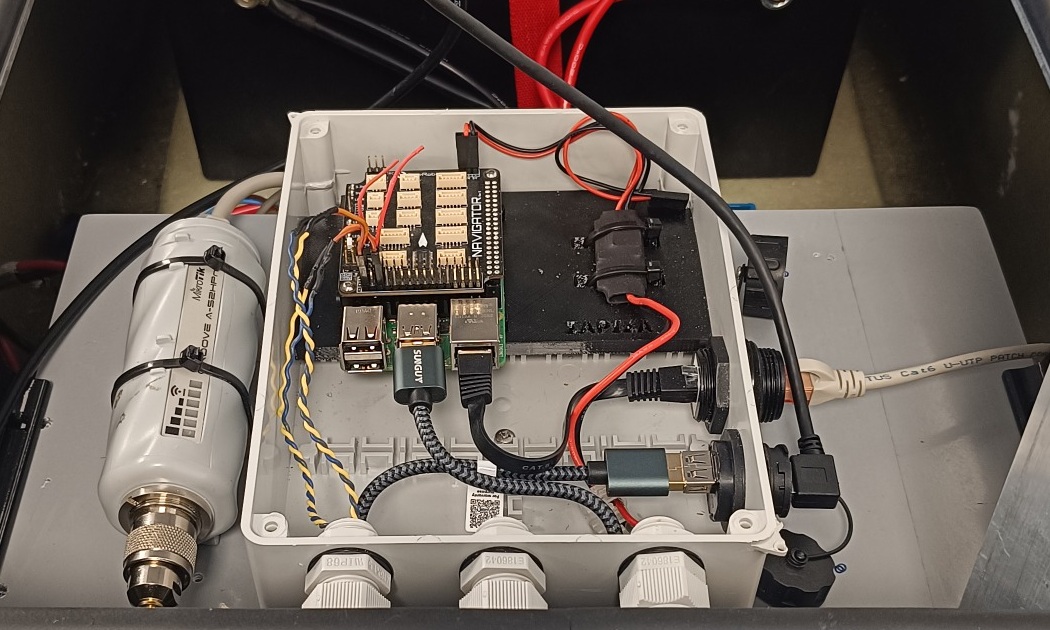
Embedded computing, electronic controller design, hardware–software integration, and real-time control for robotic and automated systems.
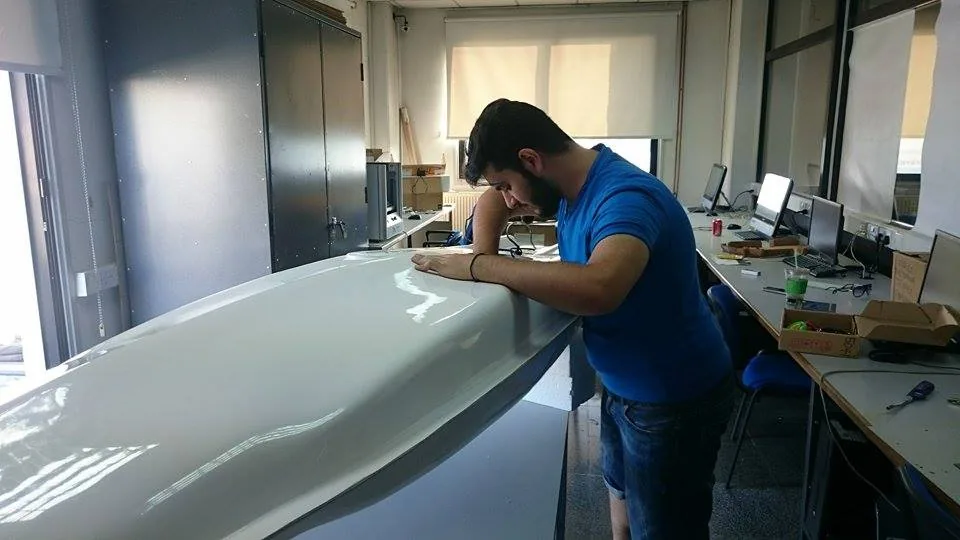
Robotics software, monitoring and automation applications, operator interfaces, and integration of complete experimental systems.
A selection of laboratory platforms and research initiatives, spanning current and earlier work.
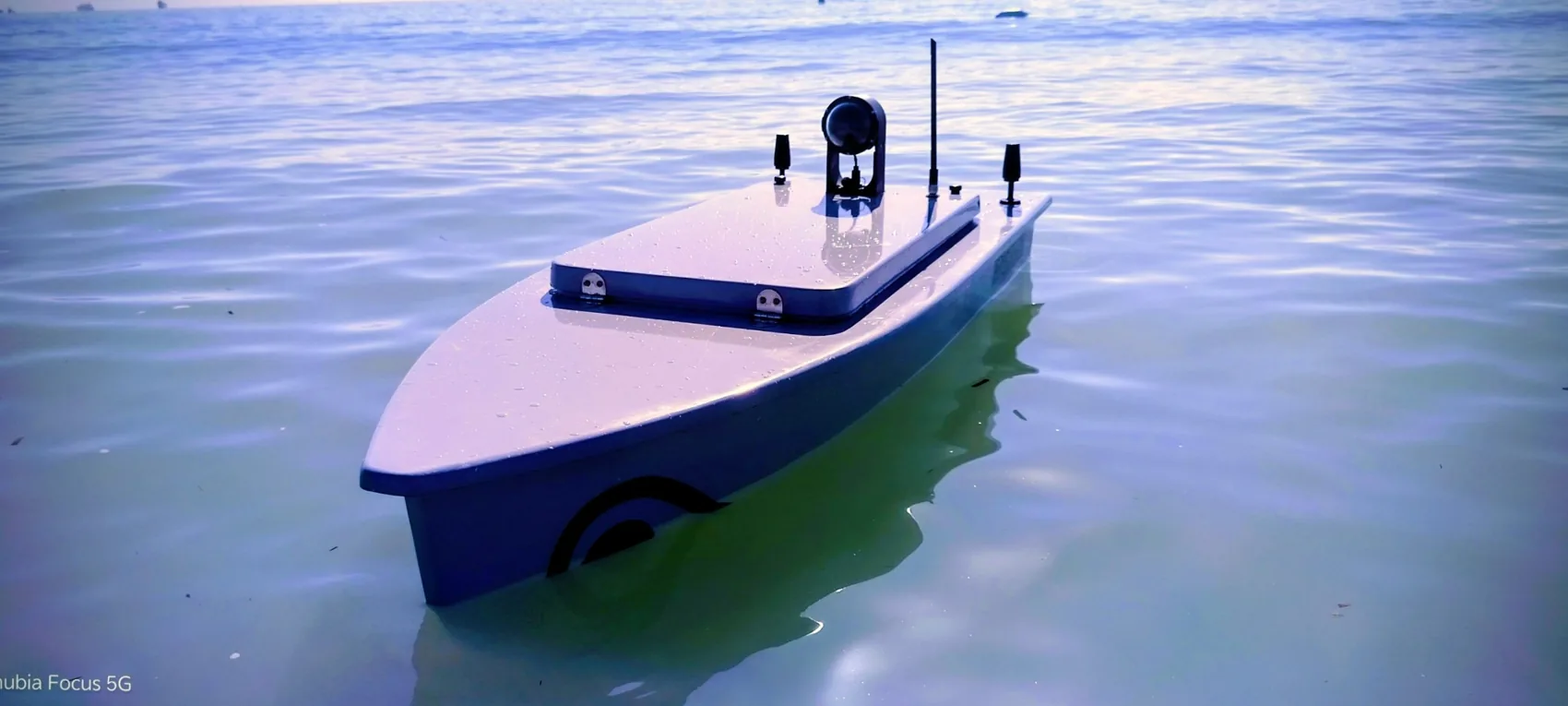
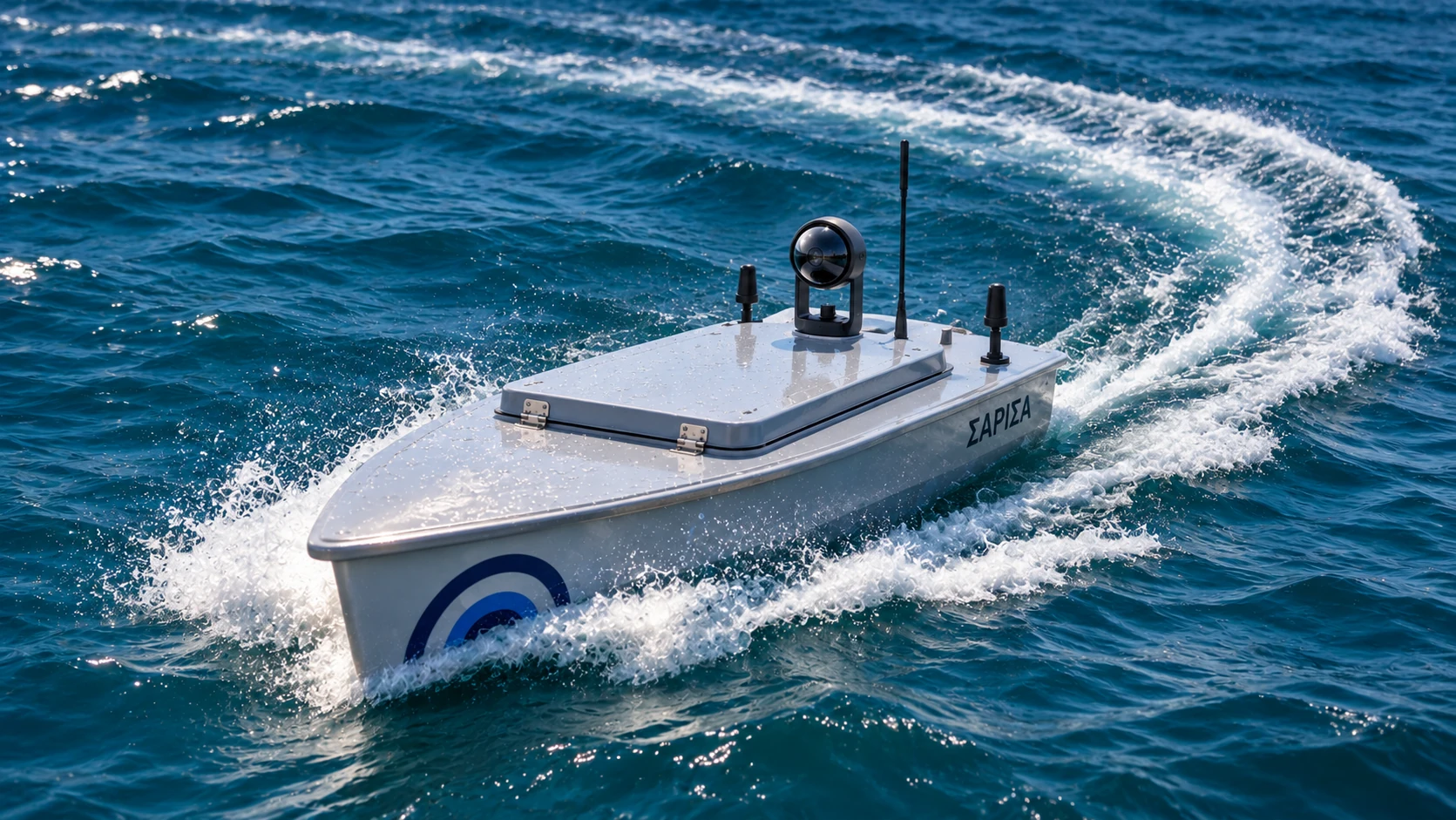
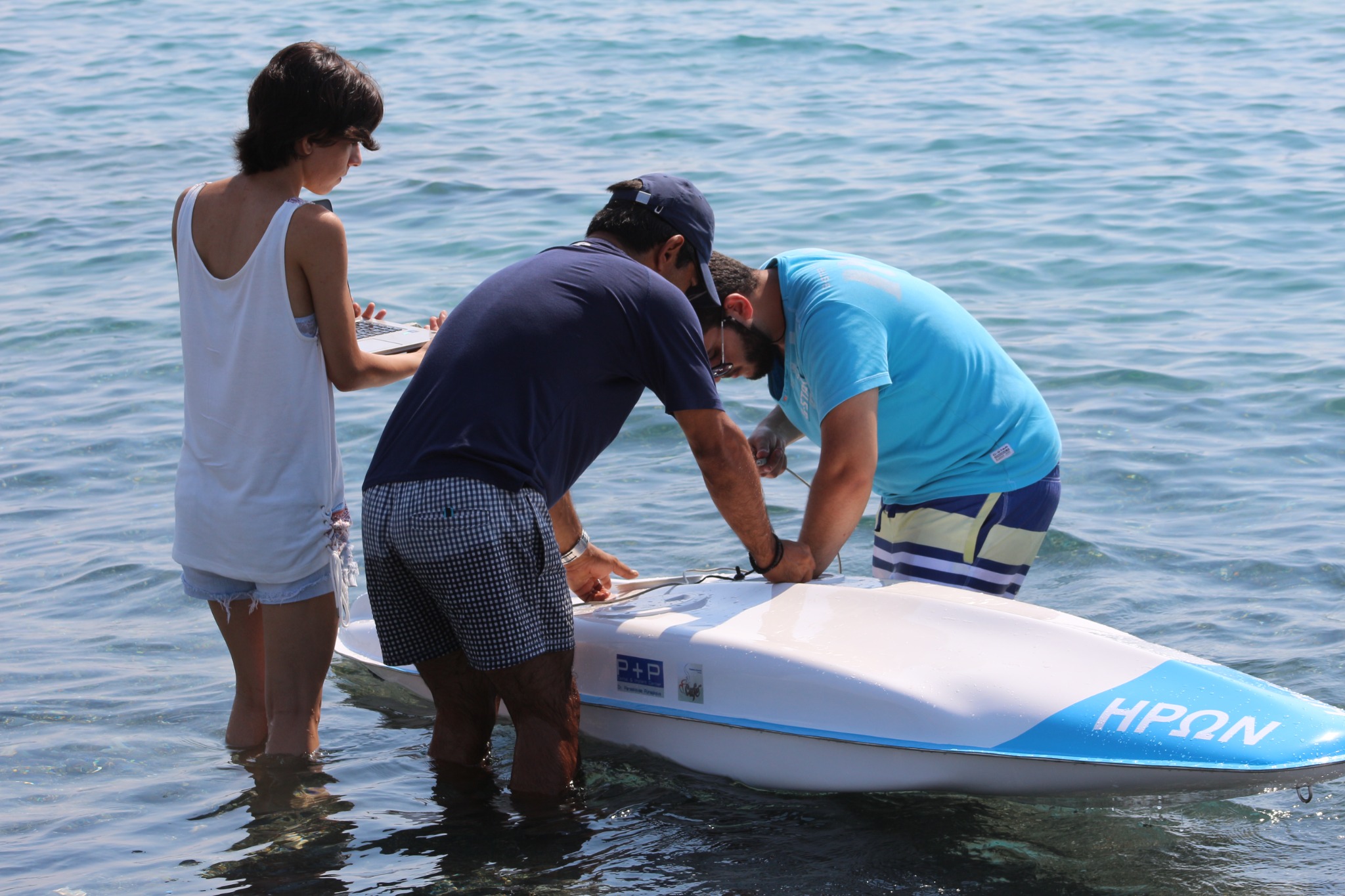
An unmanned surface vessel platform used to investigate autonomous navigation, onboard sensing, control, and system integration.
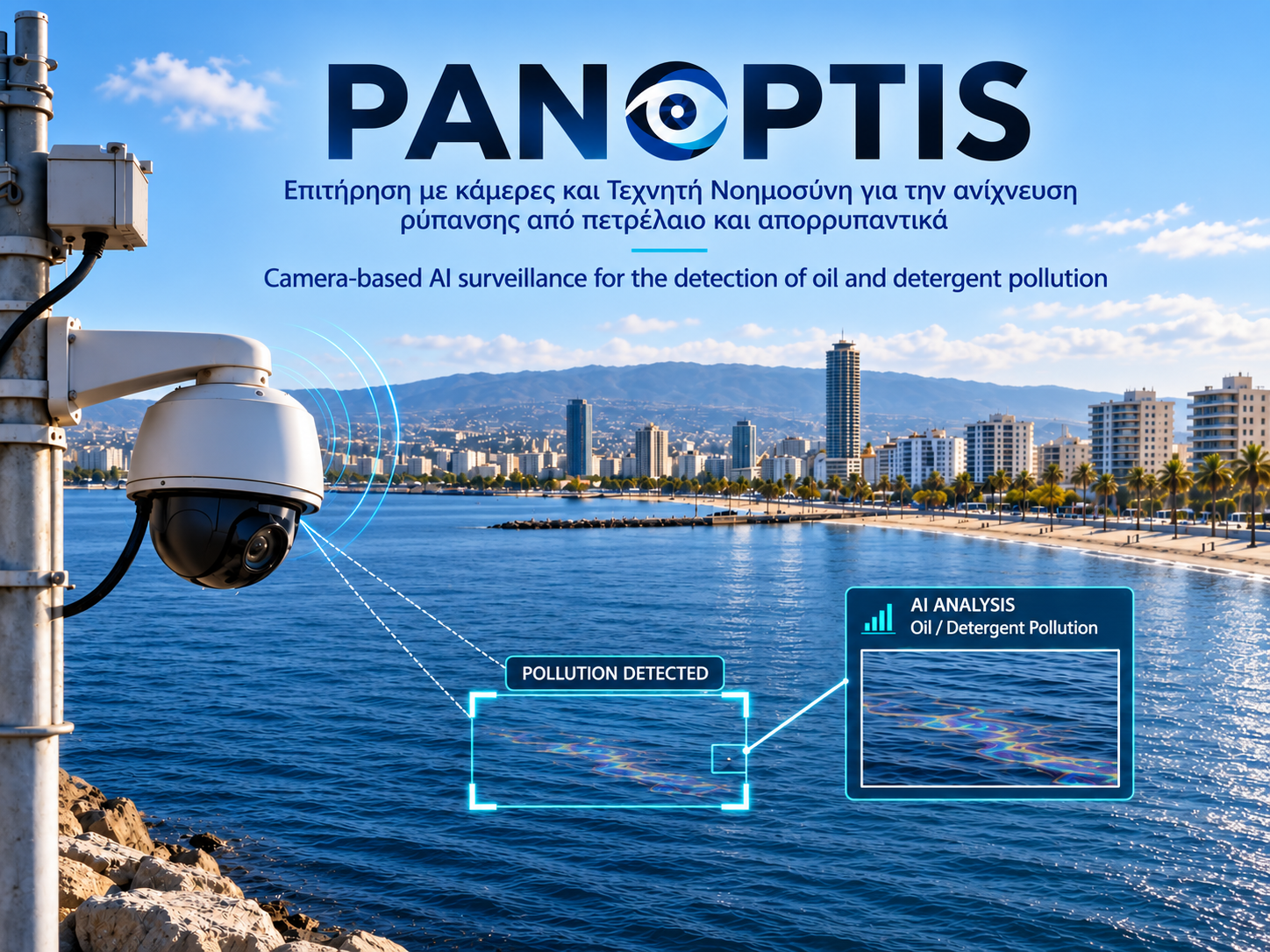
Camera-based AI surveillance for detecting oil and detergent pollution in coastal waters.
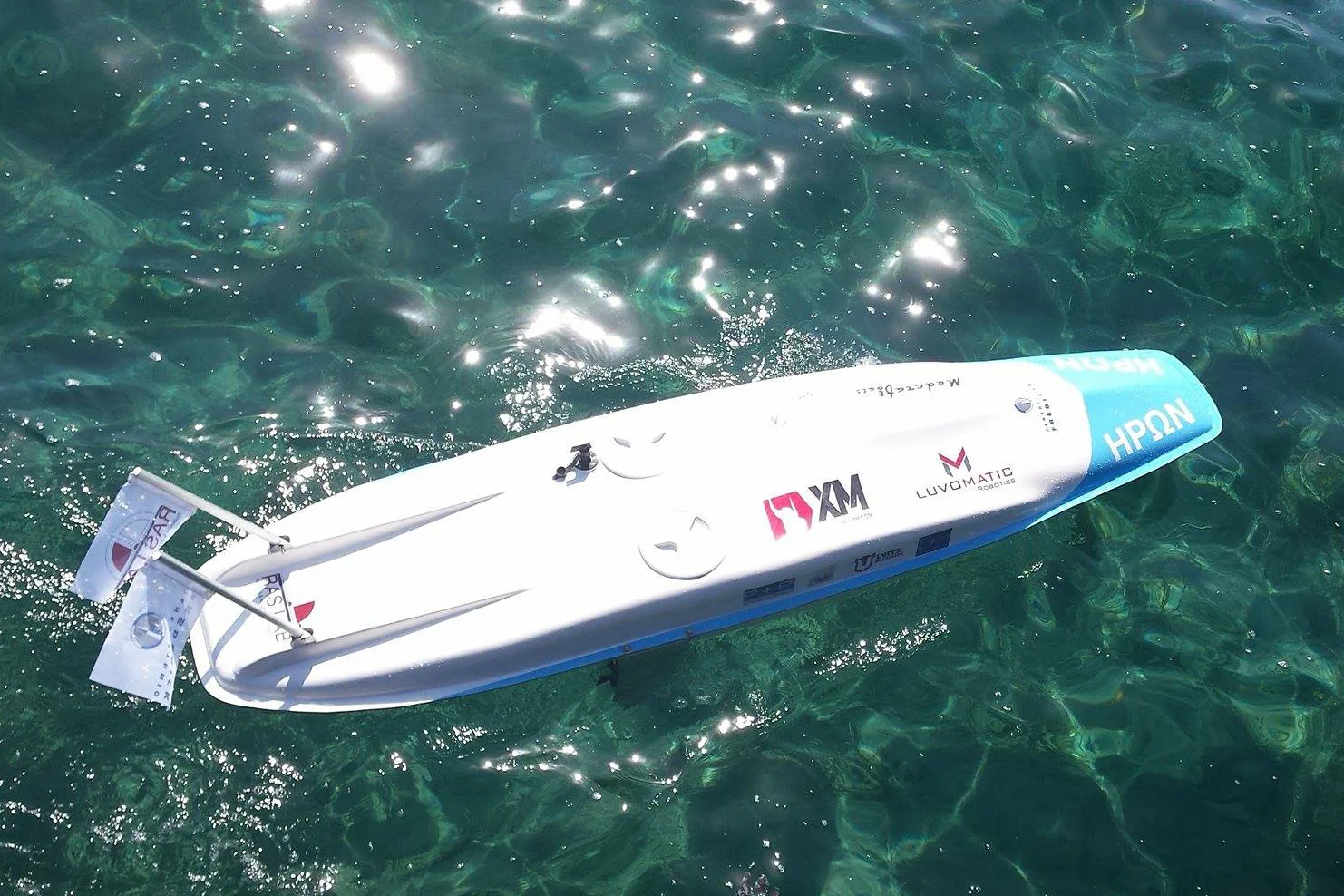
Research and development of unmanned surface vessels, with field testing in real marine environments.
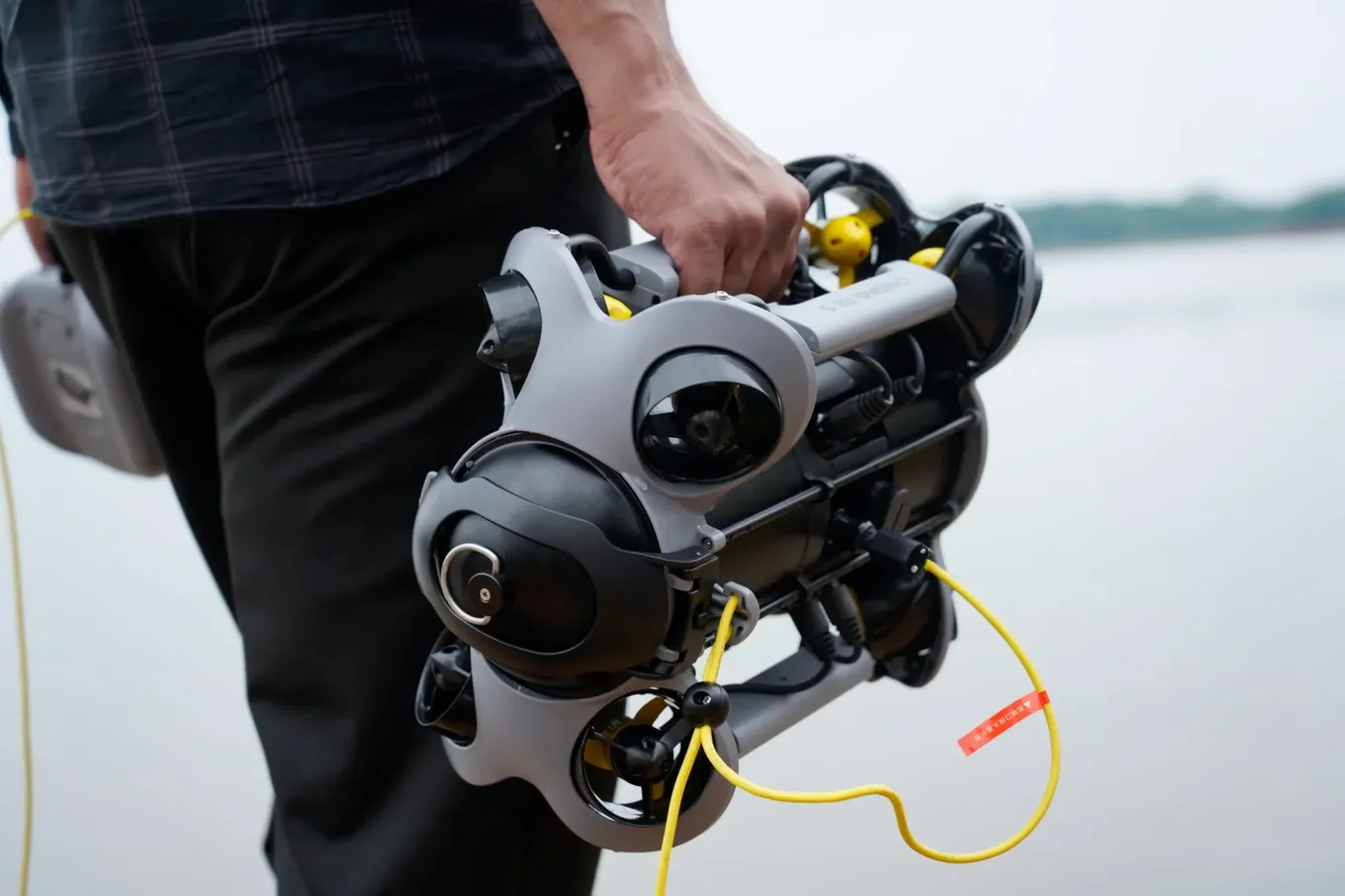
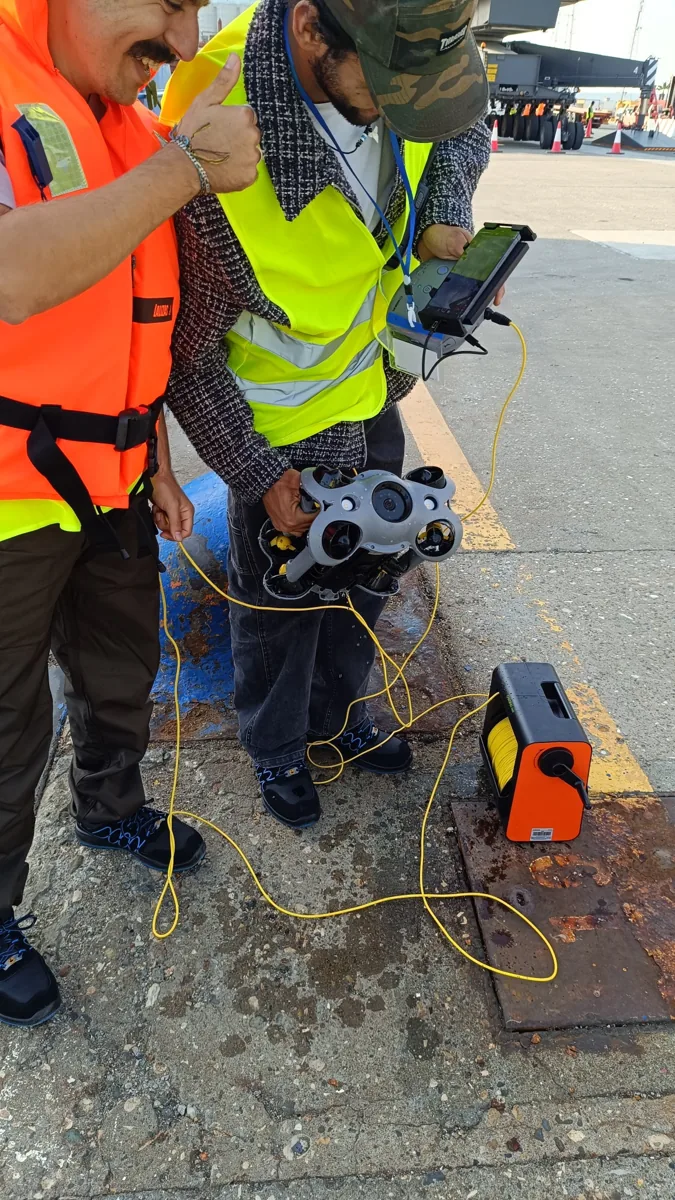
Hull Antifouling and Continuous Cleaning System. RAS Lab contributes underwater ROV imaging and field data collection to support AI-based biofouling assessment.
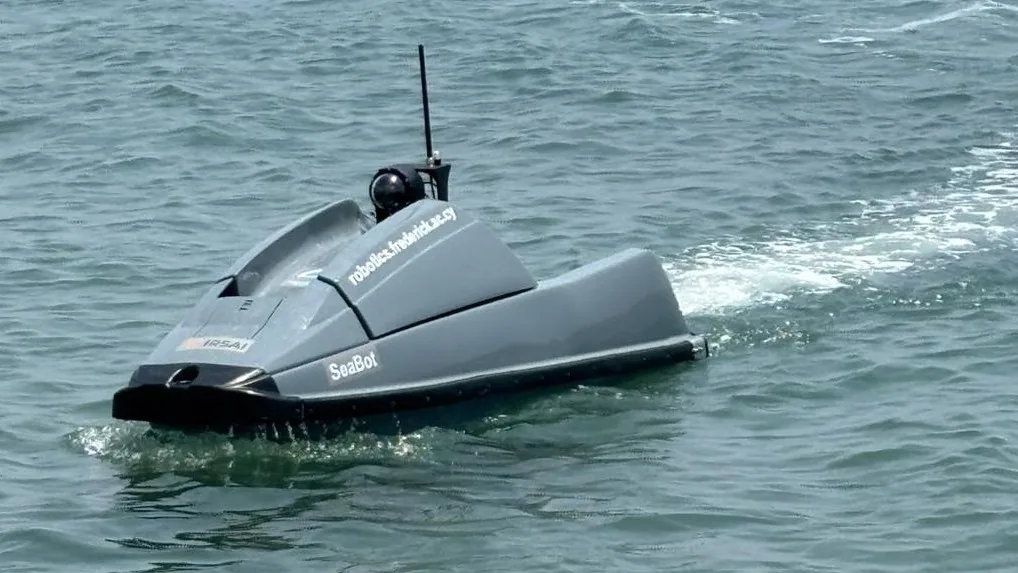
A maritime sensing research platform developed in the context of coastal monitoring and surveillance research.
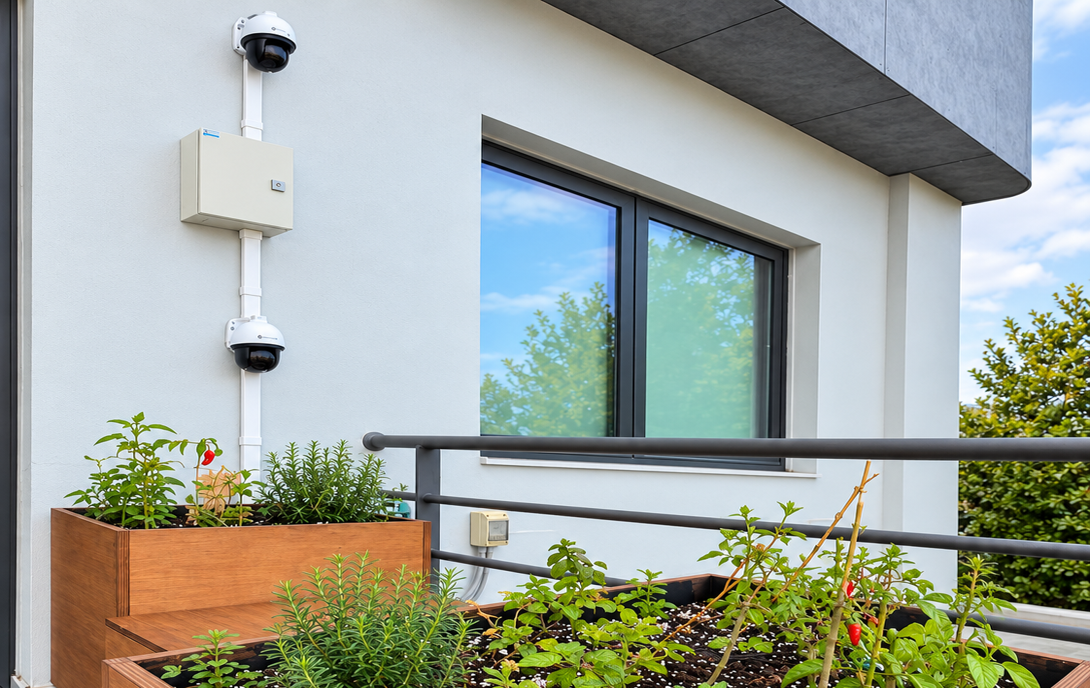
Smart monitoring and automation research using sensor systems, imaging, and data-driven approaches in a garden testbed.
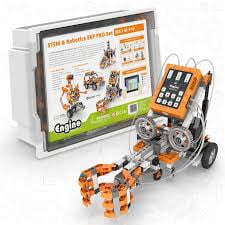
Controller electronics, programmable robotics, and educational platform development in collaboration with Engino.
RAS Lab actively collaborates with universities, research organizations, and industry partners to advance robotics, automation, and intelligent systems. Our collaborations bring together complementary expertise to address real-world challenges, from early-stage research to the development and experimental validation of working technologies.
These partnerships include joint research projects, technology and software development, prototype design, knowledge transfer, and field experimentation. By connecting academic research with practical applications, we aim to transform innovative ideas into useful technologies and solutions.




RAS Lab brings together academic research, engineering development, and student participation. Our experimental work takes place in the laboratory, on land, and at sea.
These original photographs document hands-on prototype development and field testing across the laboratory’s research history.
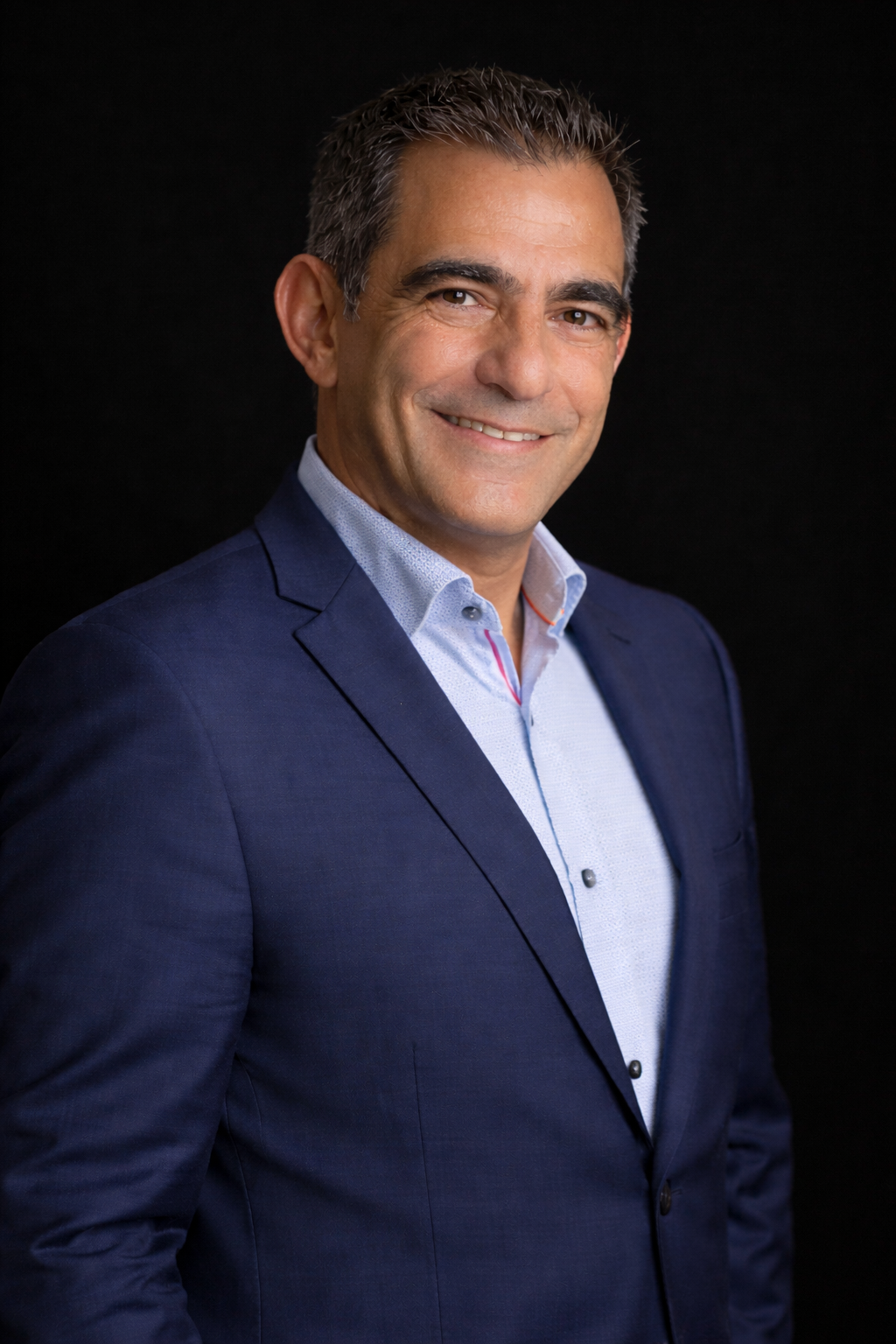
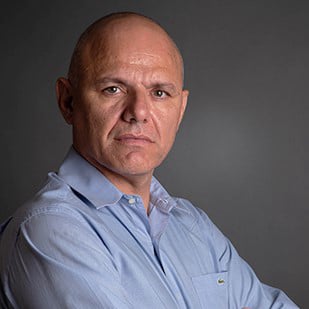
Meet the researchers and students behind RAS Lab's work.


Interested in collaborating with RAS Lab or learning more about our research activities?
Contact the laboratoryFrederick University
Mariou Agathaggelou 18
3080 Lemesos, Cyprus