IRSAI — SeaBot
Intelligent Maritime Surveillance and Pollution Monitoring
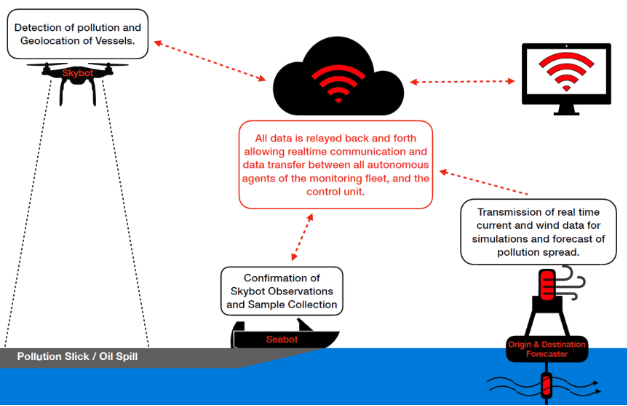
IRSAI (Integrating Remote Sensing and Artificial Intelligence) was a collaborative research project aimed at improving maritime surveillance and pollution detection in Lemesos Bay. The project combined AI-based aerial monitoring, an unmanned surface vehicle, and pollution forecasting tools to identify potential marine pollution, investigate incidents, and support environmental protection.
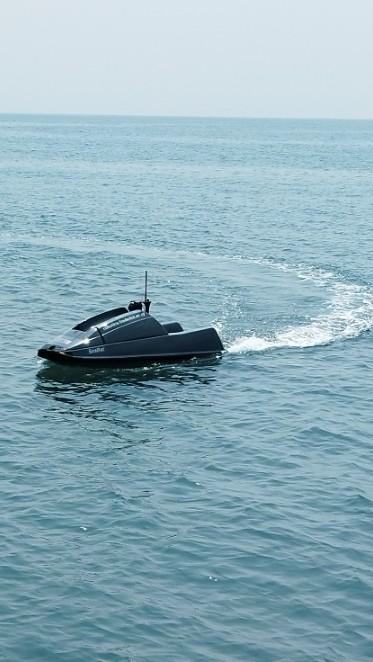
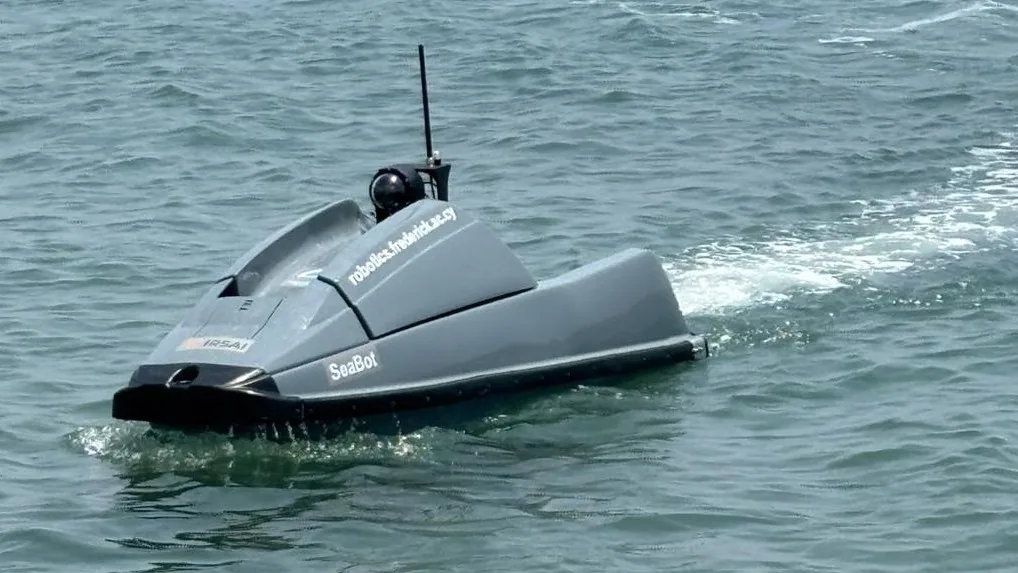
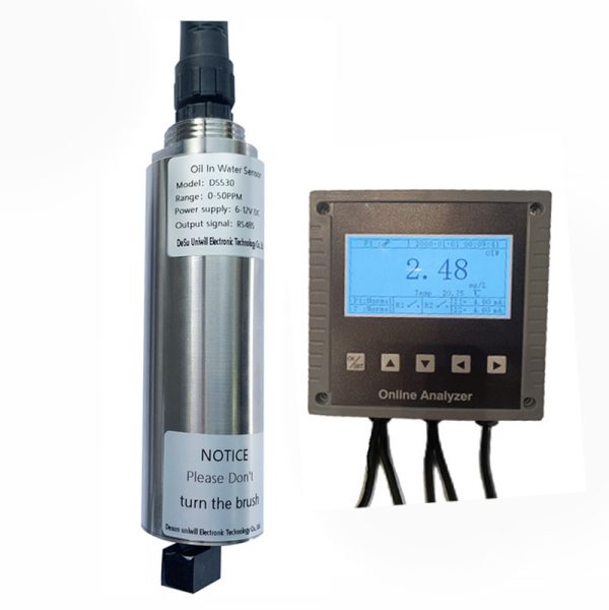
Within IRSAI, the Robotics & Automated Systems Laboratory (RAS Lab) developed SeaBot, an unmanned surface vehicle designed for environmental monitoring and water sampling. The platform incorporates navigation and control systems, remote video monitoring, oil detection sensors, and a water-sampling mechanism. SeaBot can operate remotely or navigate autonomously to designated locations, enabling investigations without deploying a crew directly to a suspected pollution site.
SeaBot underwent experimental sea trials and was demonstrated as part of the integrated IRSAI system. The project contributed to RAS Lab’s research in autonomous marine robotics, environmental sensing, and the practical application of robotic technologies to maritime monitoring.
Project partners
- Marine & Environmental Research (MER) LabCoordinator
- Frederick Research Center (FRC) / RAS LabResearch partner
- CYENS Centre of Excellence / DeepCameraResearch partner
Funding
Research and Innovation Foundation (RIF) · Dual Use Technologies Programme (DUAL USE/0922/0027) · supported by the EU Recovery and Resilience Facility (NextGenerationEU)